


The speed of technological development has ushered in industry 4.0, which features the trend towards automation, data exchange and artificial intelligence. The advertising industry is reflecting similar trends. In this era of ‘commoditization’, everything is about performance and results. The advertising industry is no bar. But thanks to the advent of digital advertising, it is now possible to measure, enhance and optimize the performance for getting the best results. In the context of digital advertising, programmatic advertising technology is the torchbearer of this trend. Programmatic advertising is a sub-branch of digital advertising. It automates the entire ad buying process with the help of codes and algorithms, making it faster and more efficient.
Programmatic advertising creates economic value. It is distinguishable in terms of innovative and unique approach. It’s all about the positives that the booming programmatic world has brought to this industry – both to advertisers and publishers! It employs cutting-edge technologies like Artificial Intelligence (AI) and Machine Learning (ML) to mine through tons of data and to smartly decipher interesting data patterns, enabling marketers to take a smarter approach and enhance their strategies. It automates and streamlines the traditional buying process and also tries to eliminate human intervention. It allows brands to reach the right customers, at the right time and the right context. There are numerous unique advantages that point towards an optimistic future for programmatic and a stouter base for media buying in general.
There are three quintessential elements that make up a programmatic strategy. They are premium audience data, programmatic technology and premium publisher inventory.
Our CEO Ashish Shah was extensively covered by Deccan Chronicle on the benefits of programmatic advertising. We are now about to spill out for you the secrets about programmatic which will help advertisers and publishers craft a more fruitful programmatic strategy.
Secrets about programmatic selling:
1. Ads.txt
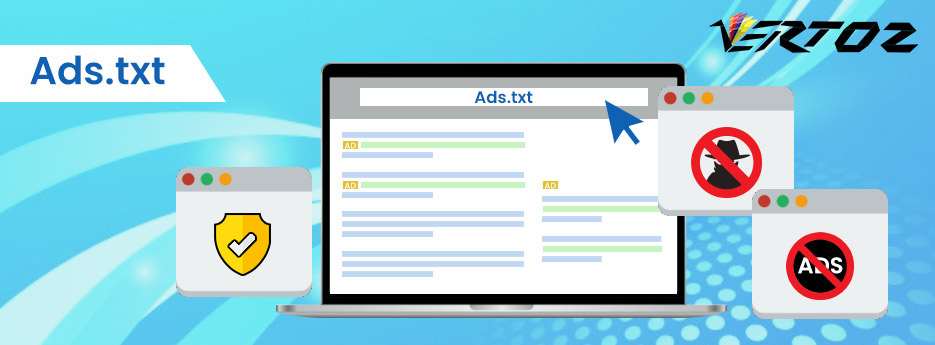 Ads.txt is a publicly accessible text file which protects publishers from domain spoofing thereby securing their credibility and the ad revenue. It’s a file that publishers add to their site and which shows ad sellers authorized to buy ad space on that site. The publisher (webmaster) of a site is the only person who can edit this file. It gives publishers control over their inventory in the market, making it harder for bad actors to profit from selling counterfeit inventory across the ecosystem. As ad fraud is one of the major advertiser concerns, publishers who implement ads.txt are more likely to be perceived as more credible and offering higher quality inventory and will earn the advertisers’ trust.
2. Header bidding
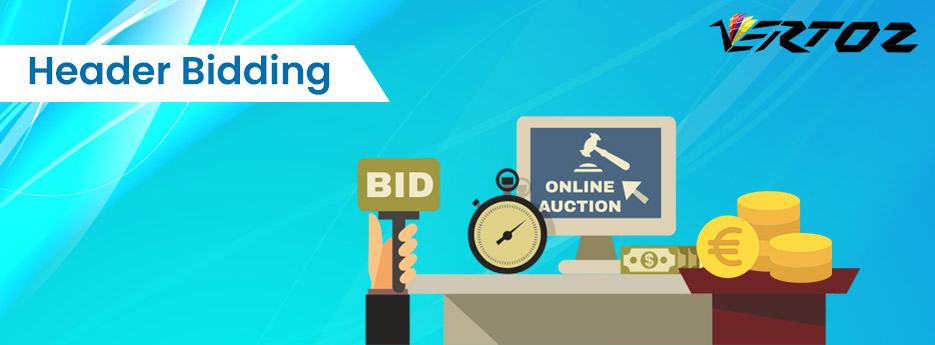 Header bidding is a programmatic technique wherein the header bidding wrapper is placed in the website’s header section. Through header bidding, external demand sources can conduct an auction outside of the publisher’s ad server. The highest bid will win the external auction and will subsequently compete with the internal demand sources of the website. The open competition between external and internal demand sources benefits publishers to understand the value of their inventory which was underrated earlier. It is speedier if compared with the traditional waterfall model, helps publishers to earn better eCPM and revenue, reduces impression loss and ultimately yields highest fill rates.
3. PMP Deals
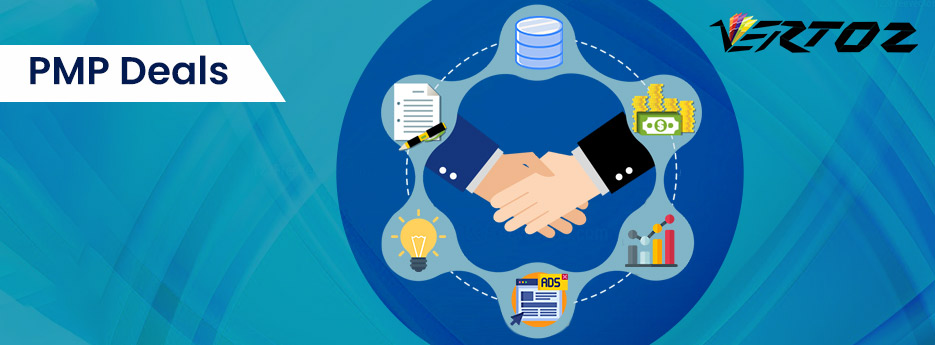 Publishers stand to gain from PMP deals as well: extensive control over media, better pricing, and stronger buyer relationships. PMP deals allow publishers to earn better eCPMs for their premium inventory, because typically PMP deals enjoy a higher minimum floor prices than open auctions. In PMP Deals, the negotiation with advertisers can get a bit time consuming, but on the up side it also creates direct relationships, which can lead to further opportunities.
4. ‘Programmatic guaranteed’
 It is the key that leads to cracking the potential of digital advertising. This unique technology automates traditional media workflows, making the buying and selling process faster, more accurate and efficient. Most importantly, it gives advertisers and publishers more time to deliver the most significant benefits of the direct relationship which they share, such as developing breakthrough concepts and meaningful, strategic media plans with delivery guarantees, and insight-rich client interactions.
Secrets about programmatic buying:
1. Data Management Platform
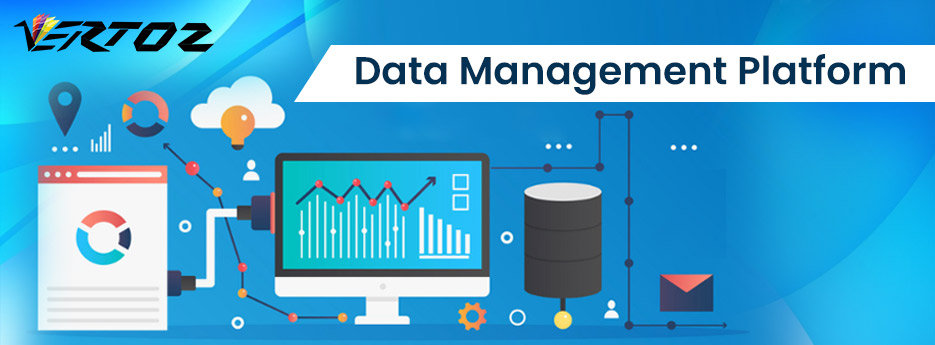 Data is the heart of programmatic advertising. Data Management Platforms (DMPs) help to process, analyze and segment tons of customer data. Data Management Platforms (DMPs) are an integral part of the programmatic advertising ecosystem. A DMP lets advertisers collect all the data in one place, which makes it easier for marketers to get an integrated view of their customers. DMPs help in identifying and discovering high-value audience segments, create unique customer profiles, and craft unified messages for those customers.
Advertisers can leverage three types of data – first party data, second party data and third party data. First-Party Data refers to the user data which is collected from the publisher’s own audience and customers. and it is generally thought of as the most valuable because of its quality. Second-party data is basically the first-party data obtained directly from the source of that data such as another publisher. It is basically other publisher’s first-party data. Third-party data is generated on other platforms like DMPs. It is often aggregated from other websites. As all this data resides in separate systems, it gets challenging to create a unique audience profile. DMPs offer a single platform to sync this data, fill in the customer profile gaps and optimise campaigns. This helps in increasing conversion rates and can make a huge difference.
2. Target & Retarget:
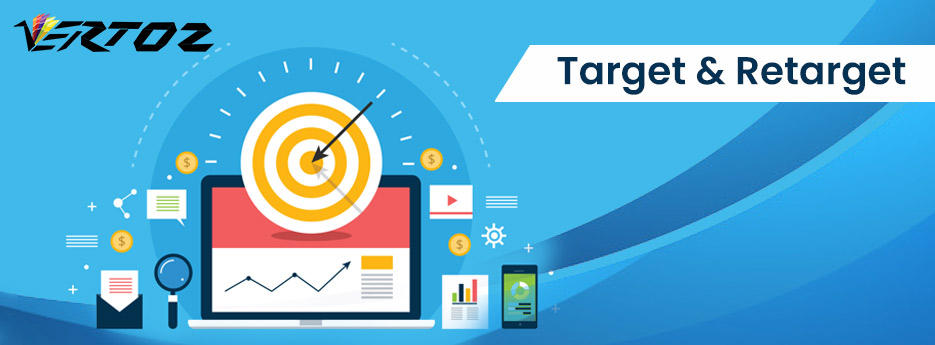 The targeting campaigns are generally divided into two stages. The first stage involves targeting, which is creating a customer persona after analysing the market data and research. Advertisers track website visitor’s behaviour and browser cookies and target them with relevant ads. Keep in mind your historical learnings or expectations about who the target audience is when launching a campaign. You can start with a wide targeting, and then optimize based campaign audience analysis to narrow the audience.
Then, with the help of Dynamic Creative Optimization (DCO), advertisers can target their prospective customers with extremely personalized ads designed and optimized as per the users’ preferences, affinity and browsing history.
Such creatives appeal to the buyer persona the advertiser is targeting to. Retargeting follows after. DCO helps in targeting as well as retargeting. Retargeting campaigns are built by leveraging demographic and behavioural segmentation, further helping in creating the right creatives for retargeting.
3. Tracking Pixel
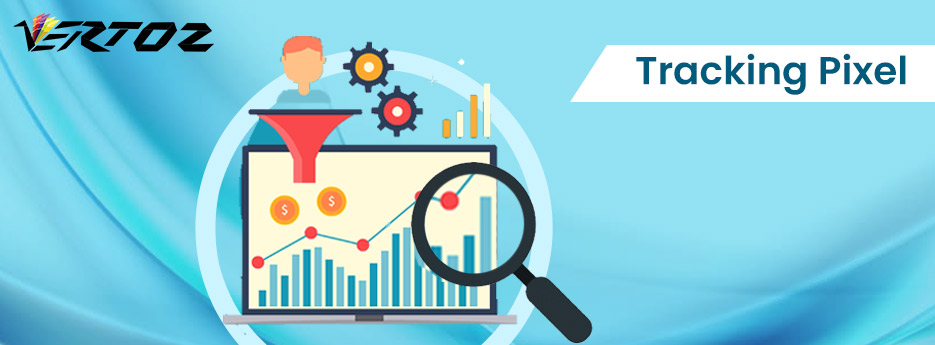 A conversion tracking pixel is a short piece of code that can be placed on the site to track the number of people who have completed a direct response or brand goal – after first seeing or clicking on your ad from another source. Conversion pixels are the only way to record view-through and post-click conversions. The conversion pixels capture conversion events on the page where the marketing goal such as successful purchase, sign-ups, landing page visits, etc. are achieved.
Retargeting pixels can be used to retarget from valuable areas of your website. The retargeting pixel is a code that is placed on the advertiser’s site. It drops a cookie to the target audience when a specified event occurs, such as a shopping cart is abandoned or product page views. Cookies allow the user to be anonymously identified as they continue to browse the web, even beyond the advertiser’s website. When the potential customer’s cookie appears again, relevant ads are delivered from the advertiser.
Pixels can also be used to create lookalike audiences to use in prospecting campaigns.
Pixels help programmatic vendors track the success of a campaign, whether the campaign has a direct response or brand goal. They are used to build look-alike profiles so that your programmatic vendor can find more of your ideal audience online.
4. Audience Targeting Tools
 Programmatic advertising a wide range of niche targeting options. The level of granularity ranges from gender to job titles, geographical region, operating systems and platform depending on the DSP used. Identify these parameters and plug these demographics into the platform and optimise the specificity throughout the campaign. Right targeting strategy makes sure that the ads appear in front of the right people who are most likely to convert. The success of your ad campaigns largely depends on the success of your targeting strategies. Thoughtful and strategically targeted ad campaigns drive the best results. However, if you do not do your homework properly, it may do more bad than good. Hence, it is important to have a holistic view of all the factors that can possibly affect the sales – positively or negatively, and craft the targeting strategies accordingly.
Programmatic innovation doesn’t mean that buying direct is obsolete. In fact, the scenario is quite opposite, direct buying accomplishes big events in the programmatic world. In the upcoming media market trends, the front-runners will be those who will be involved effectively. Those who will linger to focus on the positive opportunities in this fast-moving platform will be on the beneficiary side!